

AMMC - Insights Desk
Africa's Mining Economy Is Bigger Than the Numbers Suggest
25 October 2026 · 3 minutes read · Issa From AMMC
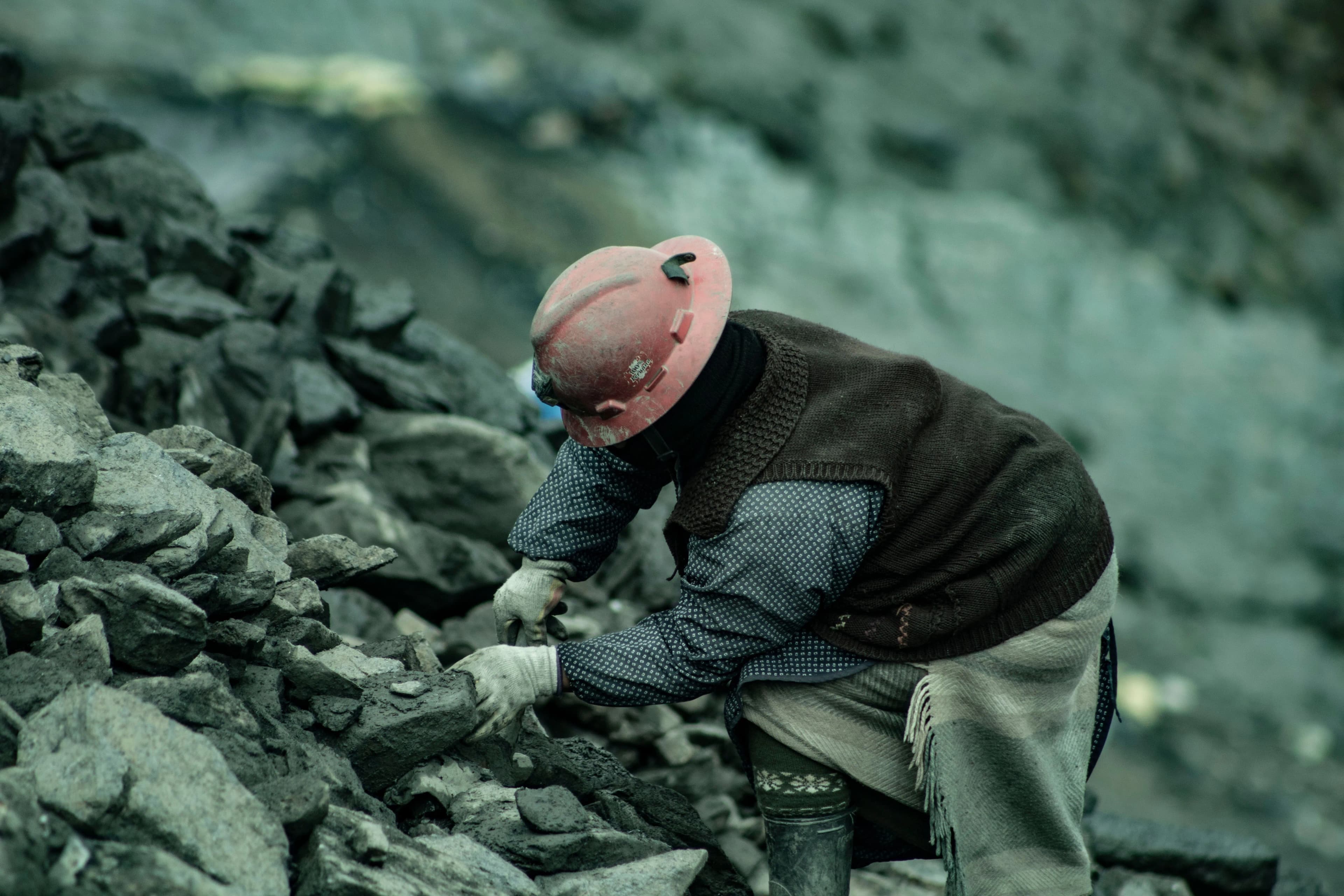
A large part of the market is happening where the numbers are weakest.
01 — The data gap is real
The numbers are weakest exactly where the market is largest
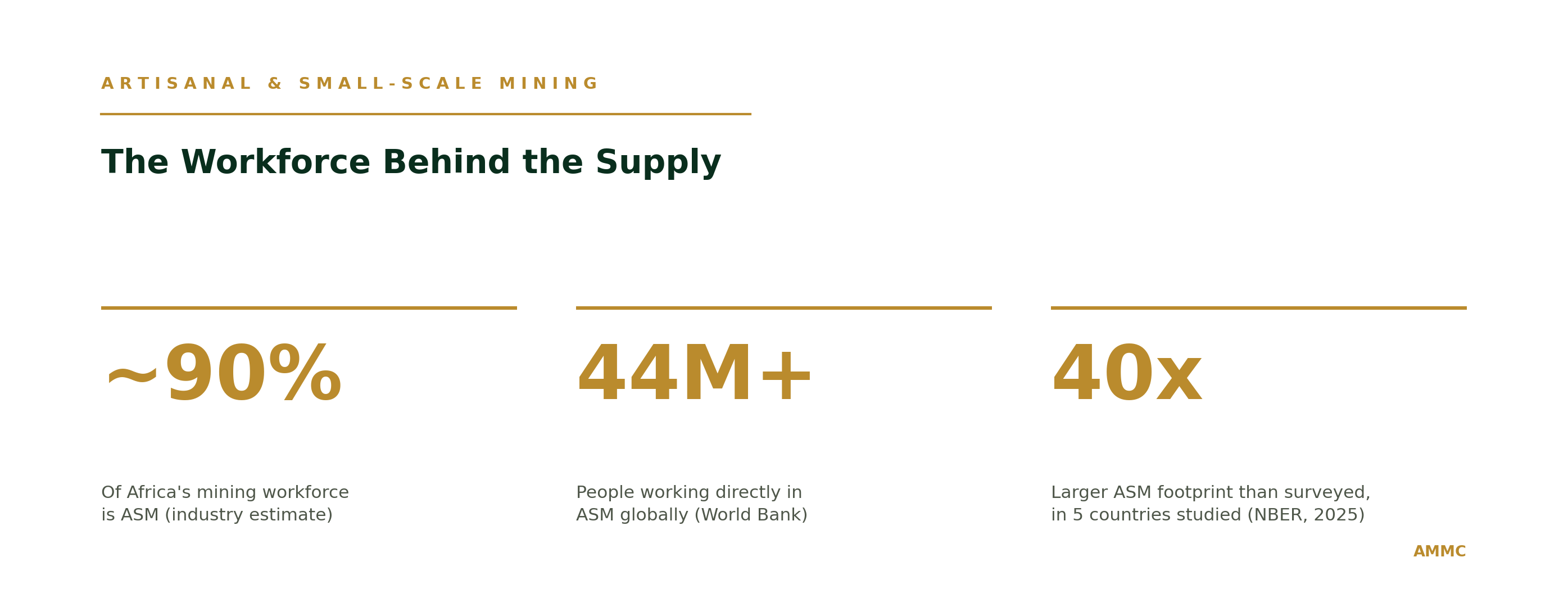
Most mineral statistics are built from formal production reports, registered mining operations, export declarations, customs records, and geological surveys. Those datasets are important — but they are much better at measuring the formal layer of the market than the thousands of smaller operations, mining communities, local aggregators, and informal supply chains operating across the continent.
A 2025 NBER study using satellite imagery and machine learning found that, in five African countries where ground surveys were available, the researchers' estimated ASM footprint was more than 40 times larger than what surveyors had recorded.
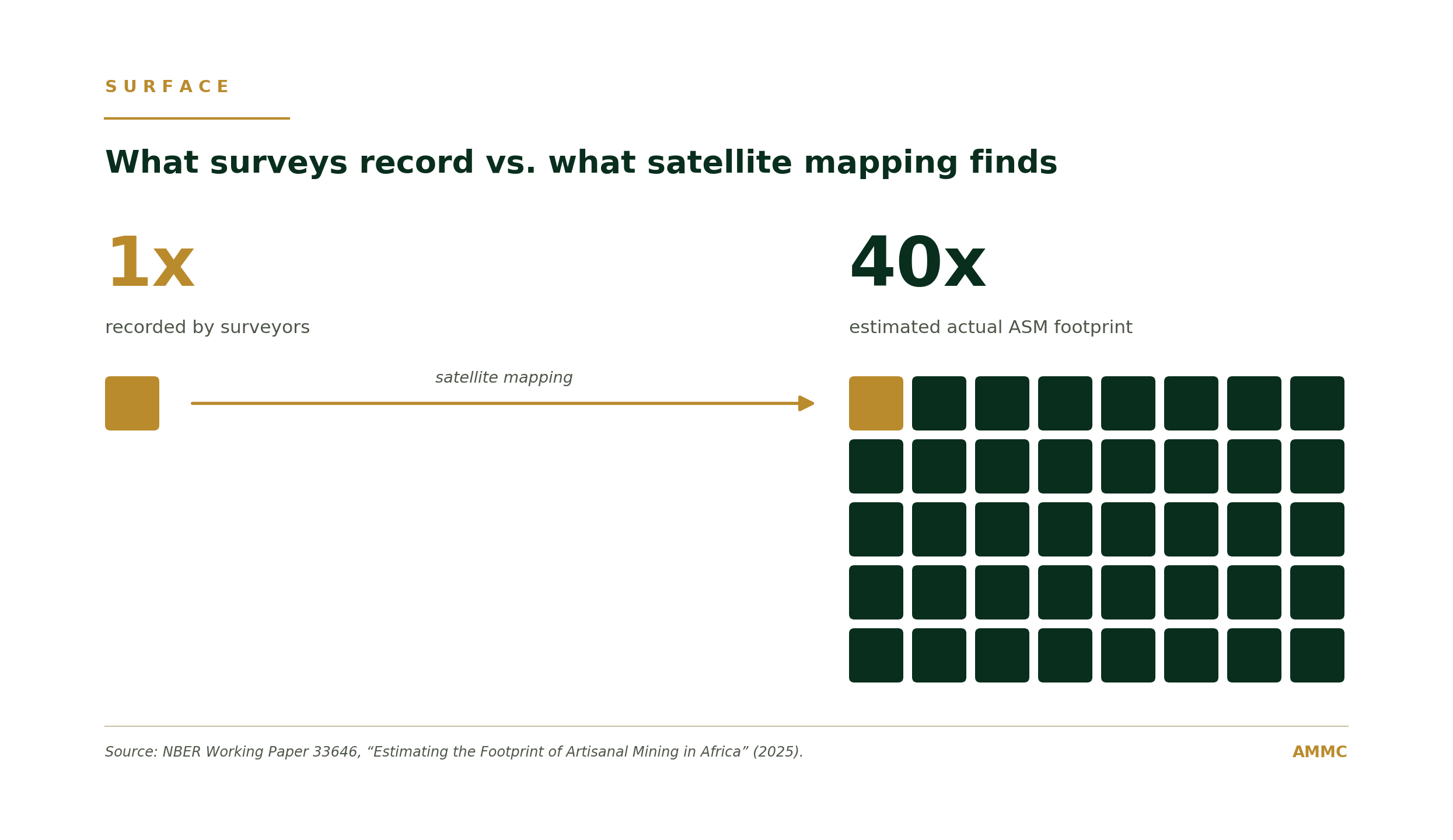
That tells us something important: when the system is designed to count what is formally registered, a significant part of the physical market can simply sit outside the dataset.
02 — So who actually knows?
The honest answer: no one has a complete picture yet

We are not claiming that AfricaMetalsMinerals has somehow mapped every mine on the continent. We haven't. But our footprint puts us unusually close to what is actually happening on the ground.
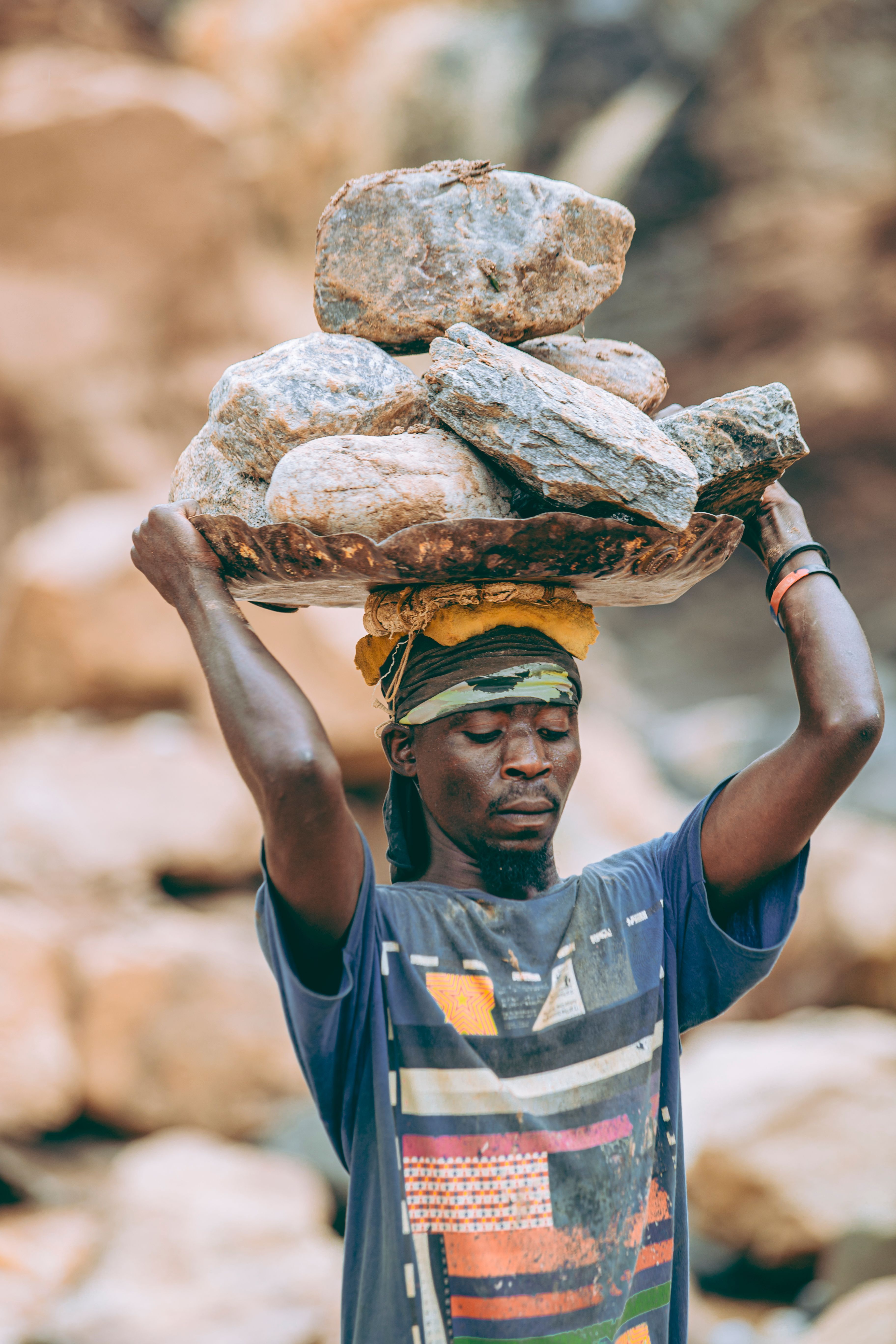
Closer to the ground
Through sourcing activity, field relationships, and an expansive agent network, we see material, volumes, locations, grades, inventory, and buyer demand that don't always make it into conventional datasets.
03 — Sometimes the difference is striking
Take Niger
It is not normally the first country that appears when the global market talks about African chrome ore supply.
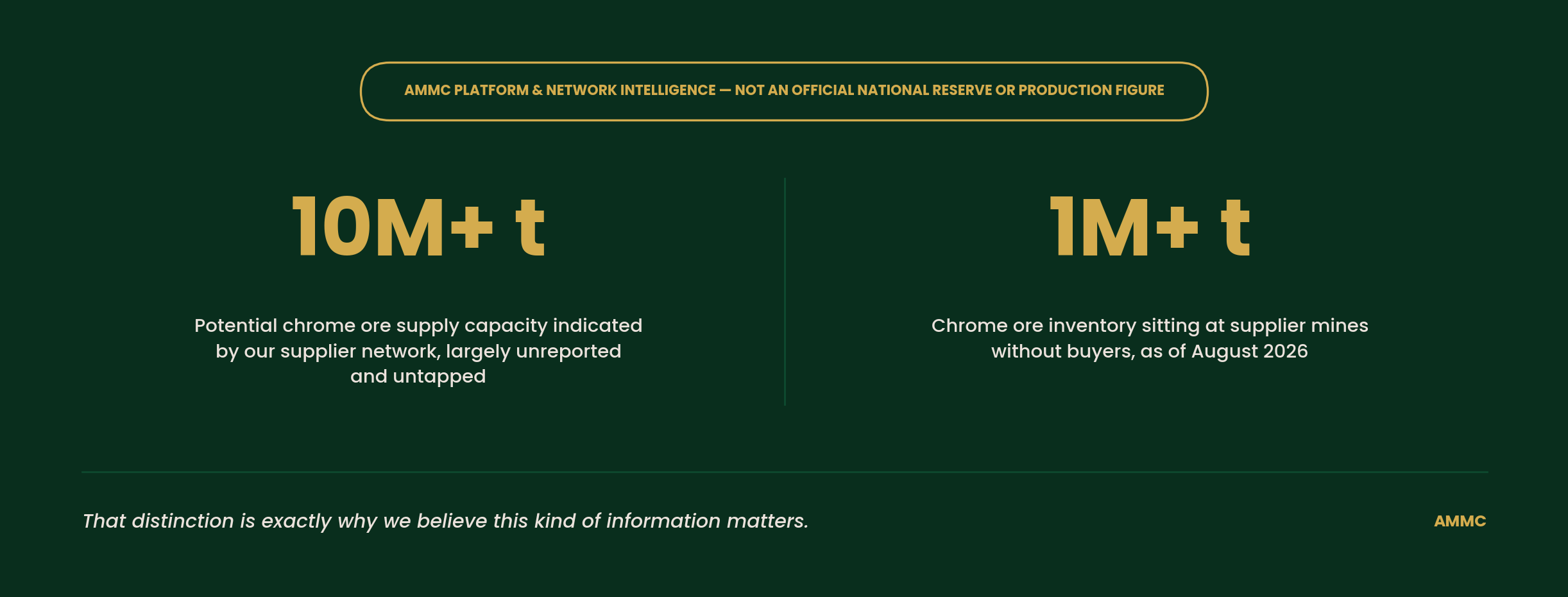
If even one mineral supply chain can look this different when you move from published statistics to what suppliers are actually holding on the ground, imagine the information gap across dozens of minerals and 54 countries.
This is where our Insights work becomes important
We're adding another layer of visibility
We are not trying to replace geological surveys or official statistics. We're adding another layer: what is physically available for trade right now, where it is, who has it, what form and grade it is in, and whether there is a buyer for it.
Every supplier conversation, site-level sourcing exercise, product test, inventory confirmation, and completed transaction gives us another data point. We are not fully there yet — but our objective is straightforward: get as close as possible to the real African minerals market.
Because Africa's mineral economy isn't only what has been formally measured. It is also:
What is sitting at a mine in Niger, waiting for a buyer
What is being produced by a small operation that never appears in an international database
What is being aggregated across communities
What is available but undocumented
What could become commercial supply if the right trade infrastructure connects it to demand
The published numbers tell us what has been captured
Our work is helping us understand what is actually moving — and what is still waiting to be discovered, organized, and traded.
That is the AfricaMetalsMinerals view.