

Market Outlook — Ferroalloys
Ferroalloys: The African Market You Can See and the Market You Can't
06 October 2026 · 3 minutes read · Issa From AMMC
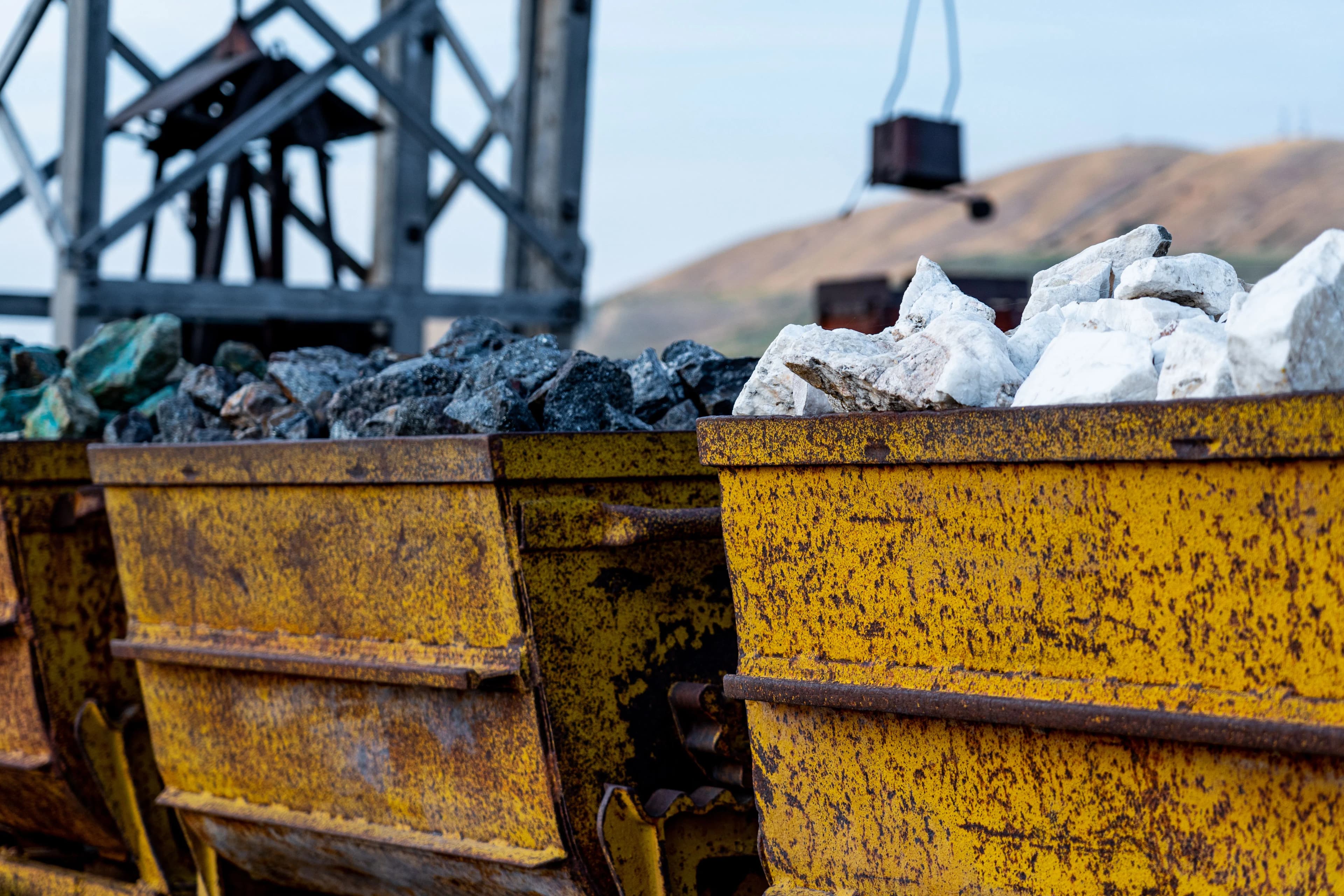
The current map is fairly clear. The map a few years from now may look very different.
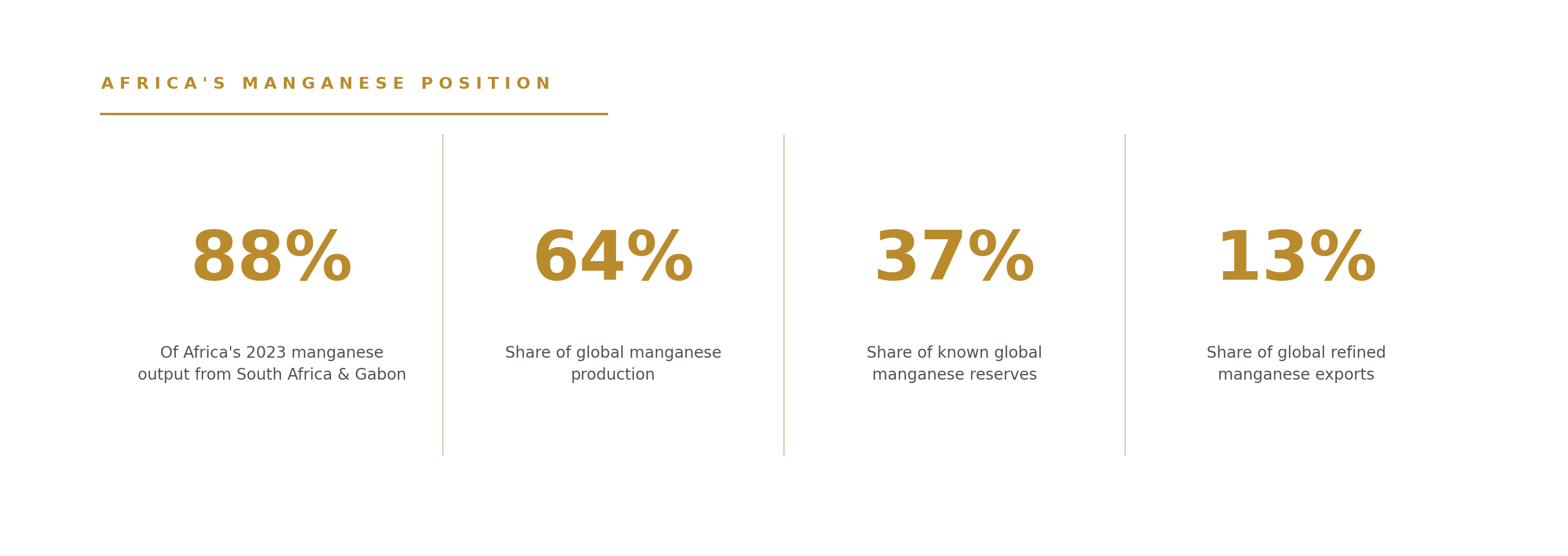
01 — The market you can see
If you look at Africa's ferroalloy industry today, the map is fairly clear
South Africa is the heavyweight, particularly in ferrochrome and manganese. Zimbabwe is another important chrome and ferrochrome centre. Gabon is a major manganese producer, while Ghana has an established manganese industry.
Beyond these markets, countries including Zambia, Namibia, Tanzania, Mali, and Côte d'Ivoire have manganese or other mineral projects that could support more ferroalloy production as processing develops.
Established producers
South Africa Zimbabwe Gabon Ghana
02 — The market you can't see yet
The next producers may not be the usual names
Nigeria is not currently a major ferroalloy producer, but the country is now actively looking at local production. In August 2026, the Raw Materials Research and Development Council and the National Metallurgical Development Centre announced a programme targeting laboratory-scale production of ferromanganese and ferrosilicon by December 2026, using Nigerian mineral resources.
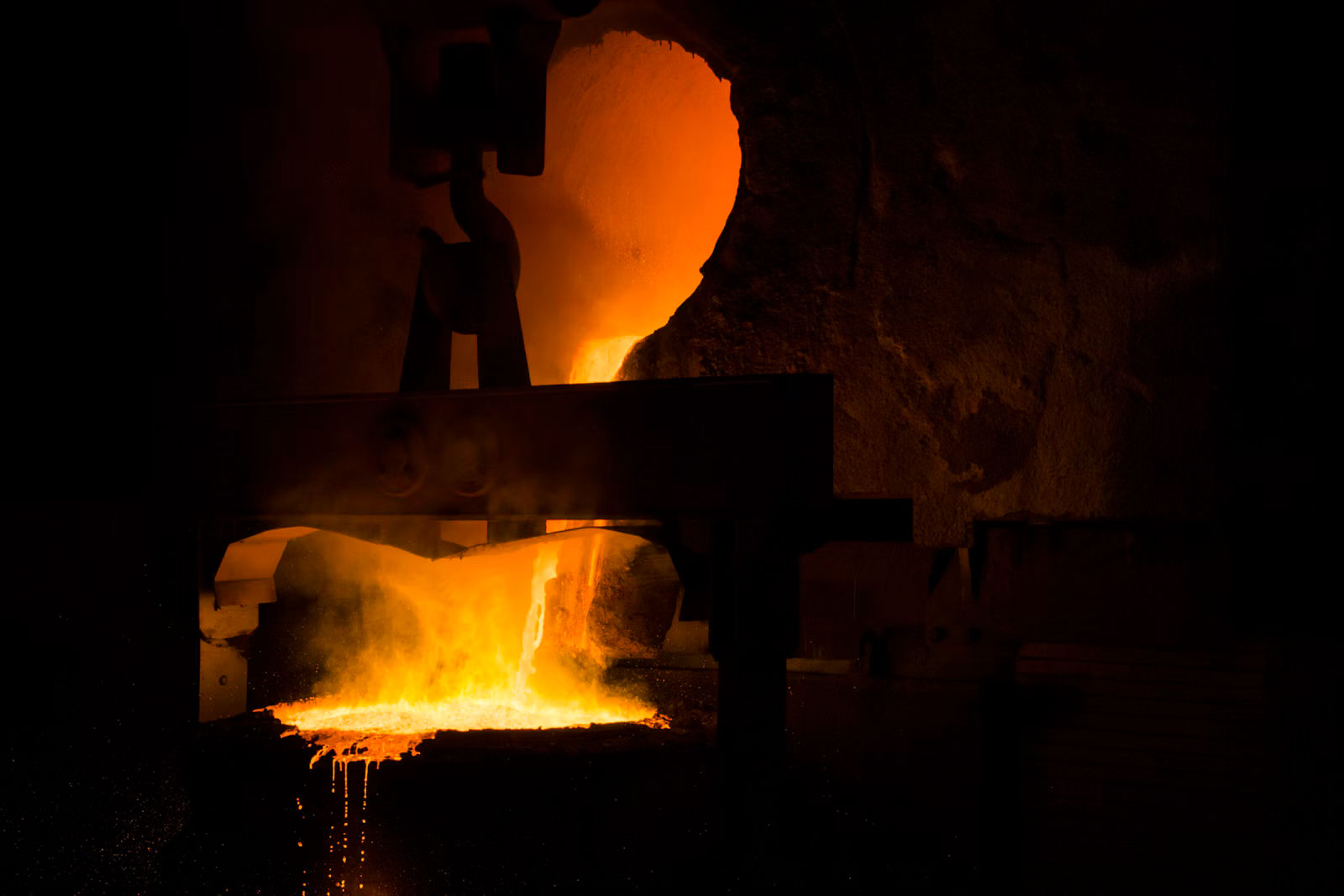
Tomorrow's producers won't necessarily be today's
Niger is another market worth watching as exploration continues to expand the picture of Africa's mineral resources.
Photo: yasin hemmati / Unsplash
It would be premature to call Niger a major ferroalloy producer today — but that is exactly the point. The countries appearing on tomorrow's supply map will not necessarily be the same ones dominating today's production statistics. The same applies across parts of West, Central, and East Africa.
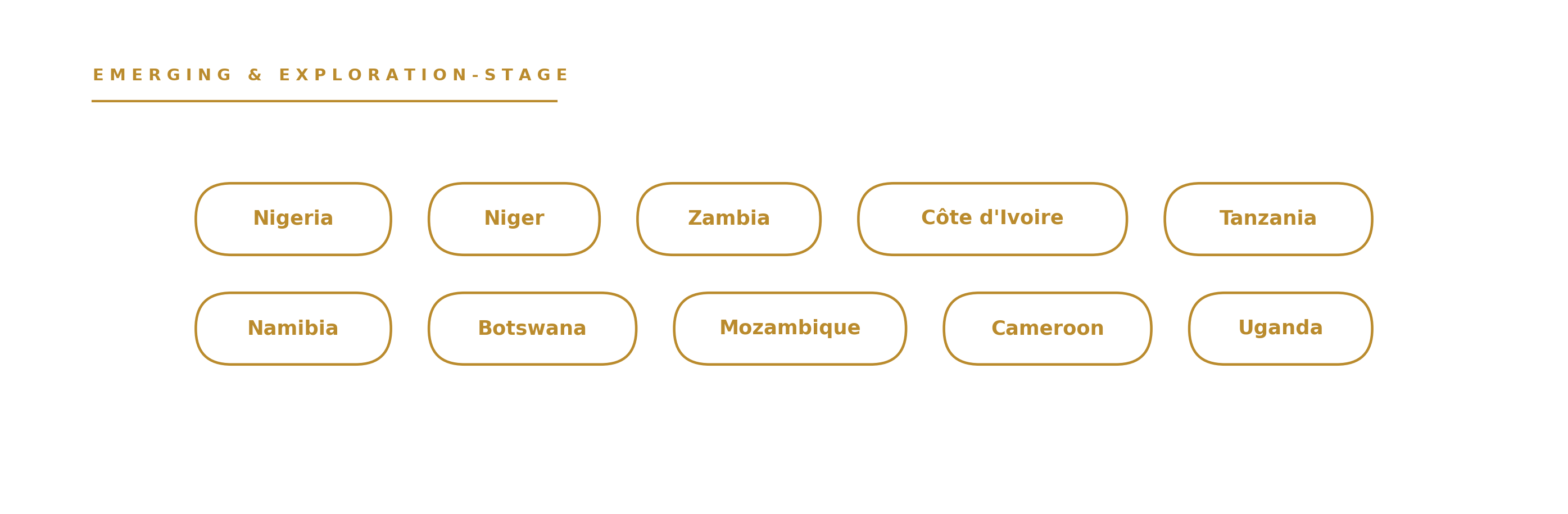
The African Development Bank's manganese review identifies 45 exploration projects across these and other markets. Some will become mines. Some will not. Some will export ore. Others could eventually support local beneficiation and alloy production.
03 — The real opportunity
The production gap is the real opportunity
Gabon shows why this matters. Zimbabwe tells another part of the story — and the contrast between them is the point.
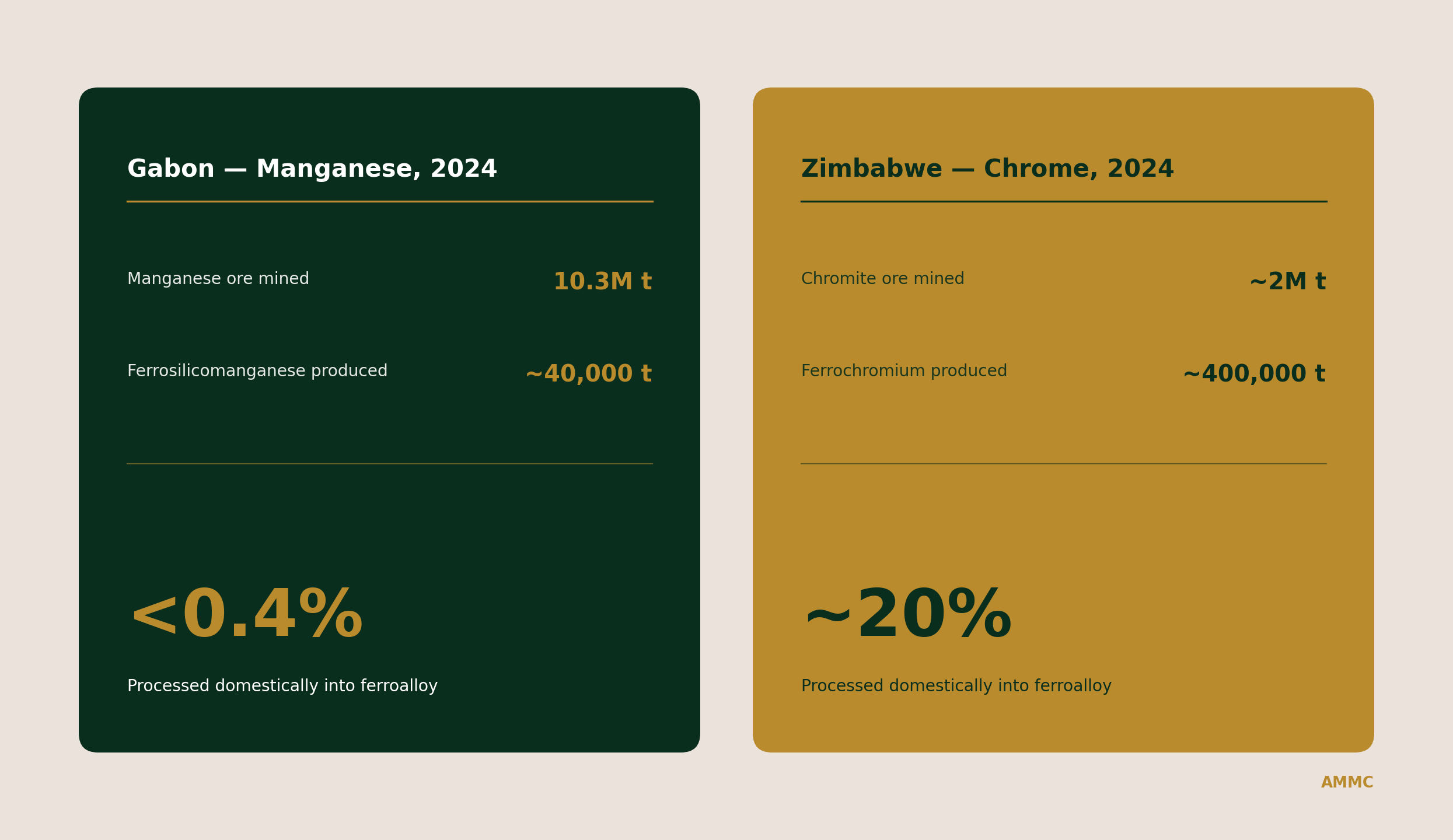
Source: USGS Gabon & Zimbabwe Minerals Information. ZIMASCO and Afrochine each had ferrochromium capacity of about 180,000 t/yr.
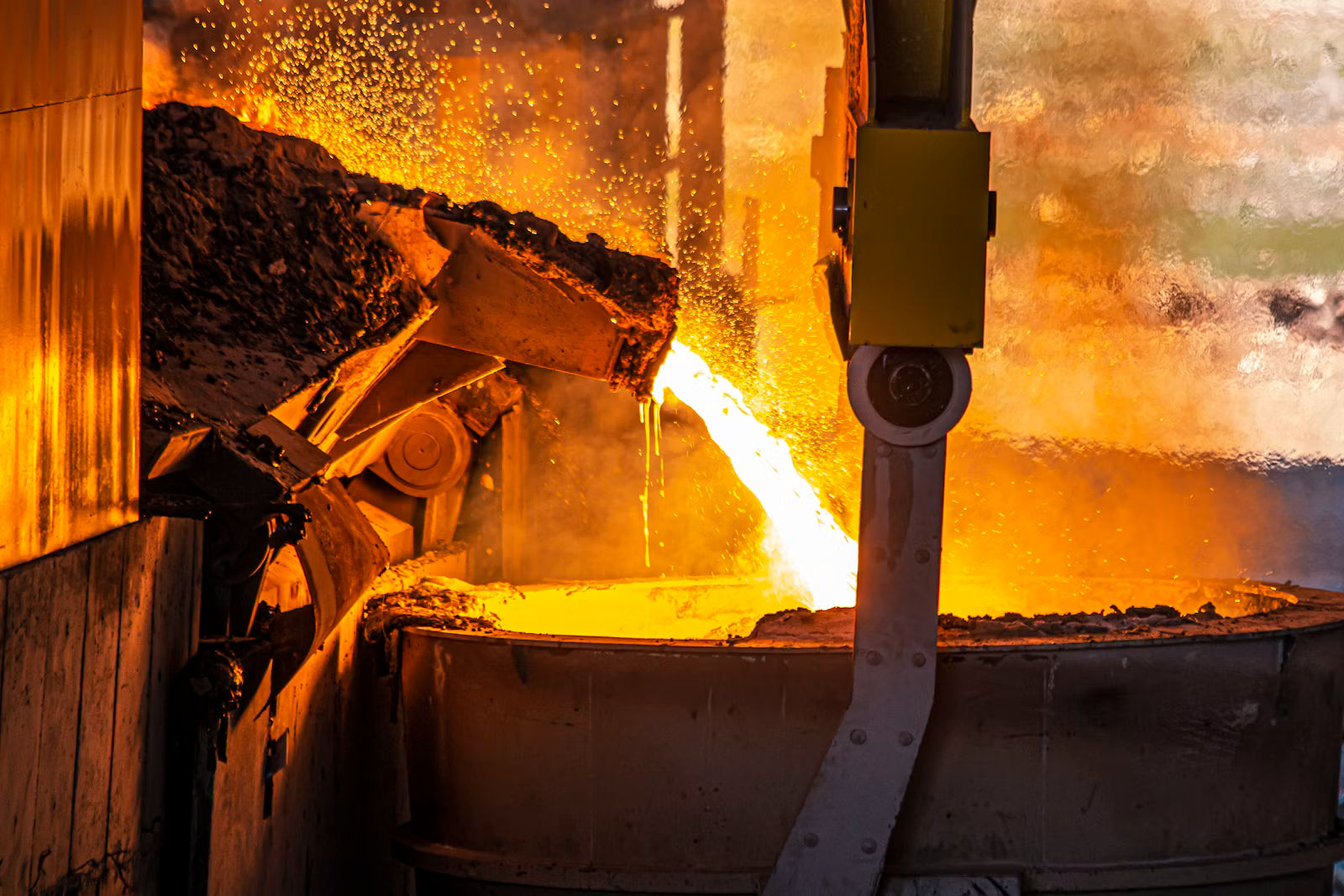
Ore is not the constraint — conversion is
The point isn't that every tonne of ore should become ferroalloy. It can't, and it won't.
Photo: yasin hemmati / Unsplash
The point is that Africa's current ferroalloy production does not fully reflect the scale or geographic spread of the mineral resources available to it. That could change as new deposits are identified, exploration advances, and countries outside the traditional producer group start developing processing capacity.
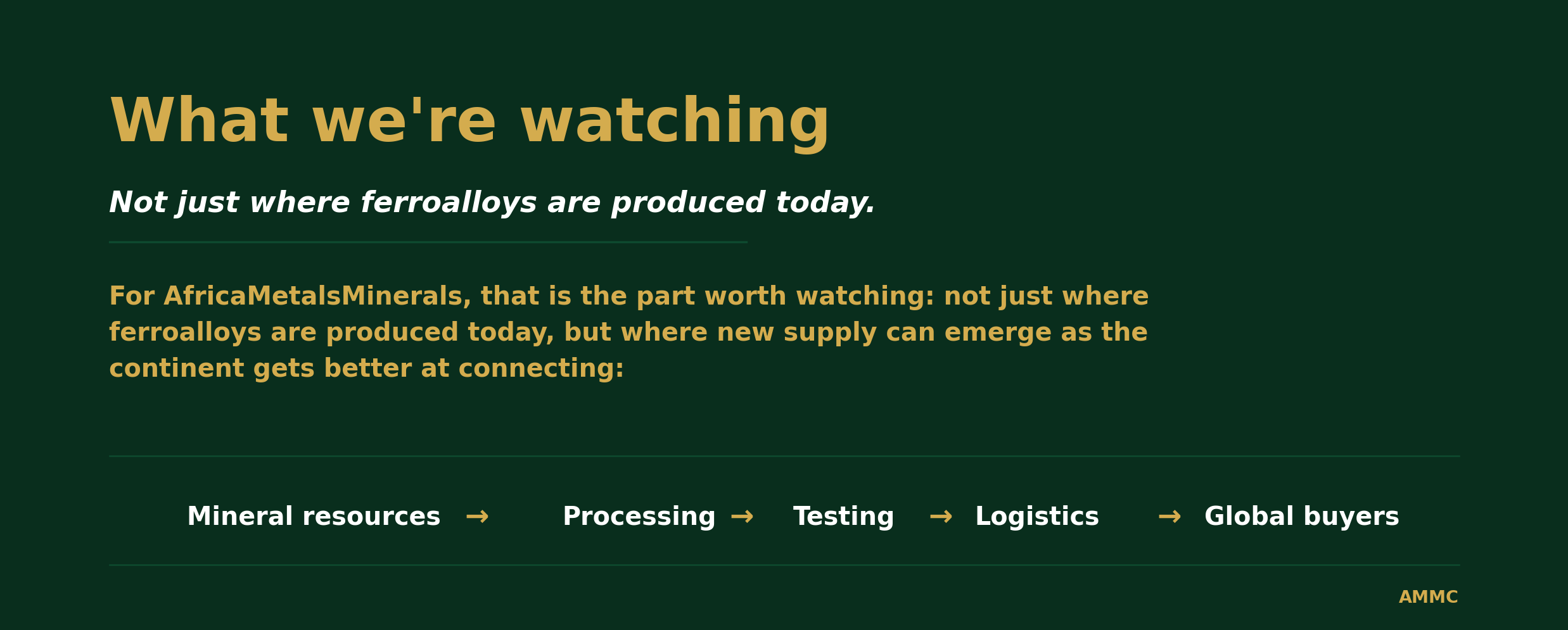
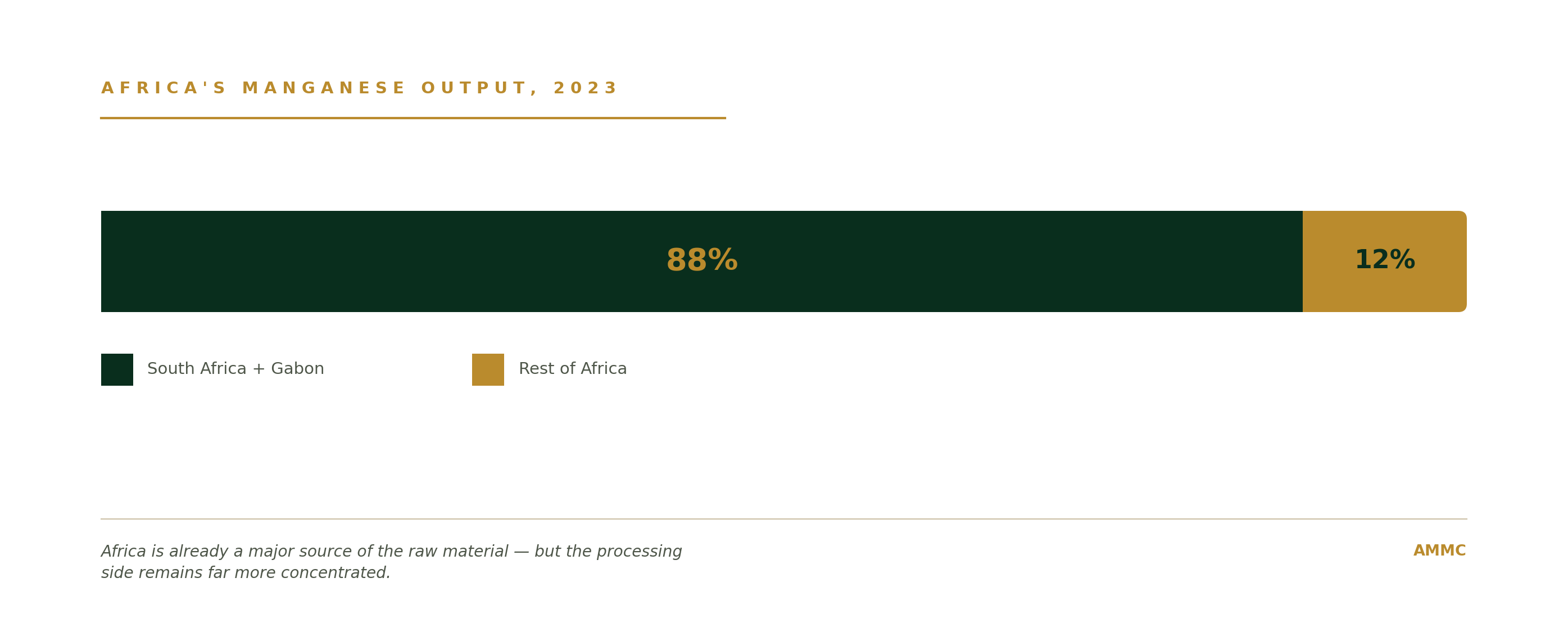
Africa's ferroalloy map is already important
It may simply be much more spread out a few years from now.
The market you can see today is not the whole market.
AMMC — Ferroalloys: The African Market You Can See—and the Market You Can't
Sources & data
African Development Bank — Africa's Share in the Global Manganese Sector — reserves, production, refining and African manganese project pipeline.
USGS — Zimbabwe Minerals Information — chromium and ferrochromium production and capacity.
USGS — Gabon Minerals Information — manganese ore and ferrosilicomanganese production.
RMRDC — Nigeria's Ferroalloy Development Programme — Nigeria's planned ferromanganese and ferrosilicon production programme.